
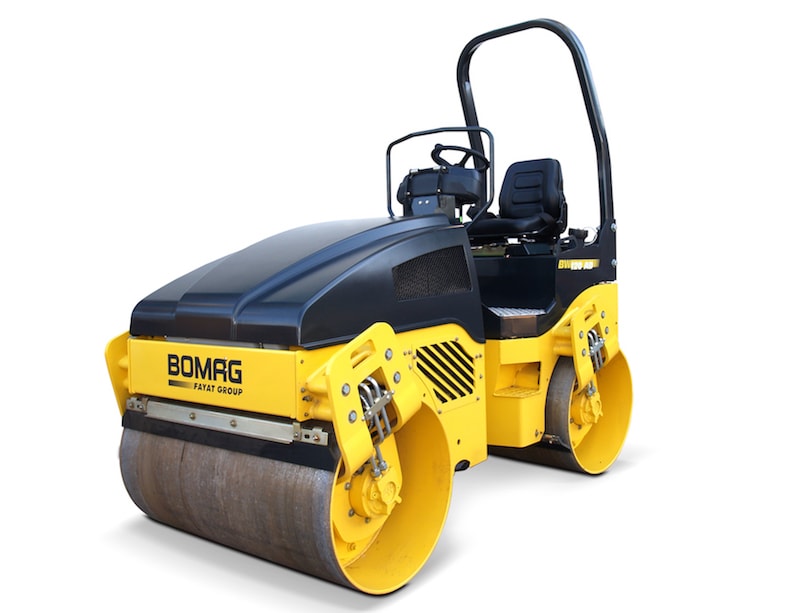
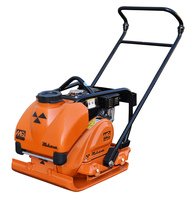

Compaction Equipment
A compactor machine is a device that applies downward pressure on dirt, soil or gravel to compress the ground and fill in air pockets. After using a soil compactor, the floor can sustain heavier weight on an even surface, allowing construction teams to roll out heavier machines with fewer safety hazards
Different types of effort are found in the two principle types of compaction force: static and vibratory.
Static force is simply the deadweight of the machine, applying downward force on the soil surface, compressing the soil particles. The only way to change the effective compaction force is by adding or subtracting the weight of the machine. Static compaction is confined to upper soil layers and is limited to any appreciable depth. Kneading and pressure are two examples of static compaction.
Vibratory force uses a mechanism, usually engine-driven, to create a downward force in addition to the machine’s static weight. The vibrating mechanism is usually a rotating eccentric weight or piston/spring combination (in rammers). The compactors deliver a rapid sequence of blows (impacts) to the surface, thereby affecting the top layers as well as deeper layers. Vibration moves through the material, setting particles in motion and moving them closer together for the highest density possible. Based on the materials being compacted, a certain amount of force must be used to overcome the cohesive nature of particular particles.